Menopause
As hormones change, so do the body's needs. We tailor your diet so you sleep better, keep your weight stable and preserve strength.
In short
What is menopause?
Menopause is the time around your last period, when the ovaries gradually produce less oestrogen and progesterone.
The changes can cause hot flushes, sleep problems, mood changes, and changes in weight, muscle mass and energy. Symptoms vary greatly between women.
Diet, activity and sleep are among the most important tools for influencing how this phase is experienced in practice.
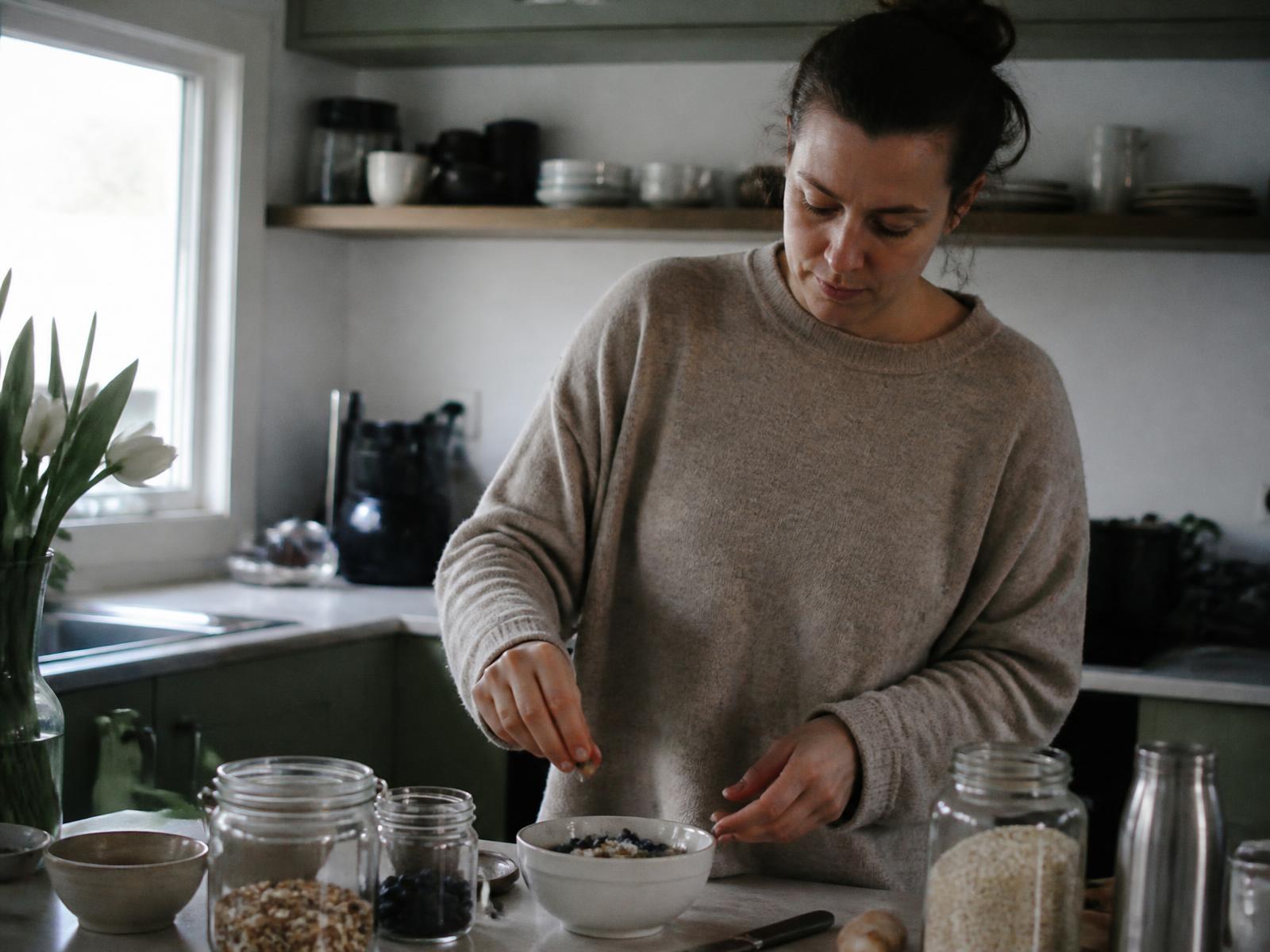
Does this sound familiar?
This might sound like your situation
Symptoms rarely come alone, and their intensity varies through the phases.
- Your body has changed even though you eat as before
- Sleep is restless, and energy fluctuates through the day
- Hot flushes and mood swings affect everyday life
- You care about protecting bone and heart health
- The advice you find is contradictory
SmartEating recommends
What makes the biggest difference?
These are the areas that make the biggest practical difference through perimenopause and beyond.
Protein at every meal
Aim for a protein source at each meal to slow muscle loss and support satiety.
Strength training
Two to three sessions a week help preserve muscle and bone density.
Calcium and vitamin D
Bone health depends more on these nutrients once oestrogen drops.
Stable blood sugar
Fibre and protein reduce energy dips and may ease hot flushes.
Sleep-friendly evenings
Lighter meals and less alcohol in the evening can improve sleep quality.
When should you contact a doctor?
Contact a doctor for pronounced symptoms or unclear issues.
- Severe hot flushes affecting sleep and daily life
- Unexplained bleeding after menopause
- Symptoms of depression or anxiety
- Assessment of hormone therapy
- Concerns about bone, heart or vascular health
Dietary follow-up can complement medical treatment, but doesn't replace it.
Common questions
What people ask us most often.
Does protein really help?
Yes. Muscle mass drops faster after menopause. Protein plus strength training counteracts this.
Personal nutrition
No one with menopause is exactly the same
Age, everyday life, activity level, other conditions and what you actually enjoy eating determine what works for you.
That's why two people in the same situation need different advice. SmartEating AI learns your situation over time and tailors suggestions to your body, goals and everyday life.
- Your body has changed even though you eat as before
- Sleep is restless, and energy fluctuates through the day
- Hot flushes and mood swings affect everyday life
- You care about protecting bone and heart health
- The advice you find is contradictory
The goal isn't to fight a natural phase, but to give your body better conditions for sleep, strength and energy.
We build meals around protein, fibre and good fat balance — combined with strength training that fits you.
SmartEating provides everyday structure, while a clinical dietitian can tailor the plan to weight, hot flushes, bone health or coexisting conditions.
READ MORE
The knowledge behind the advice
Muscle health
Muscles aren't just important for strength and performance — they play a central role in metabolism, balance and independence throughout life. Good muscle health is built over time, through diet and movement together.
Protein
Protein is the building block of muscles, skin, enzymes and hormones, and one of the nutrients that gives the most satiety. Most people get enough protein through a varied diet, but needs can shift with age, activity level and life stage.
Vitamins and minerals
Vitamins and minerals are micronutrients the body needs in small amounts, but they are essential for nearly all bodily functions. A varied diet with plenty of vegetables, fruit, whole grains and good protein sources usually covers the need without supplements.
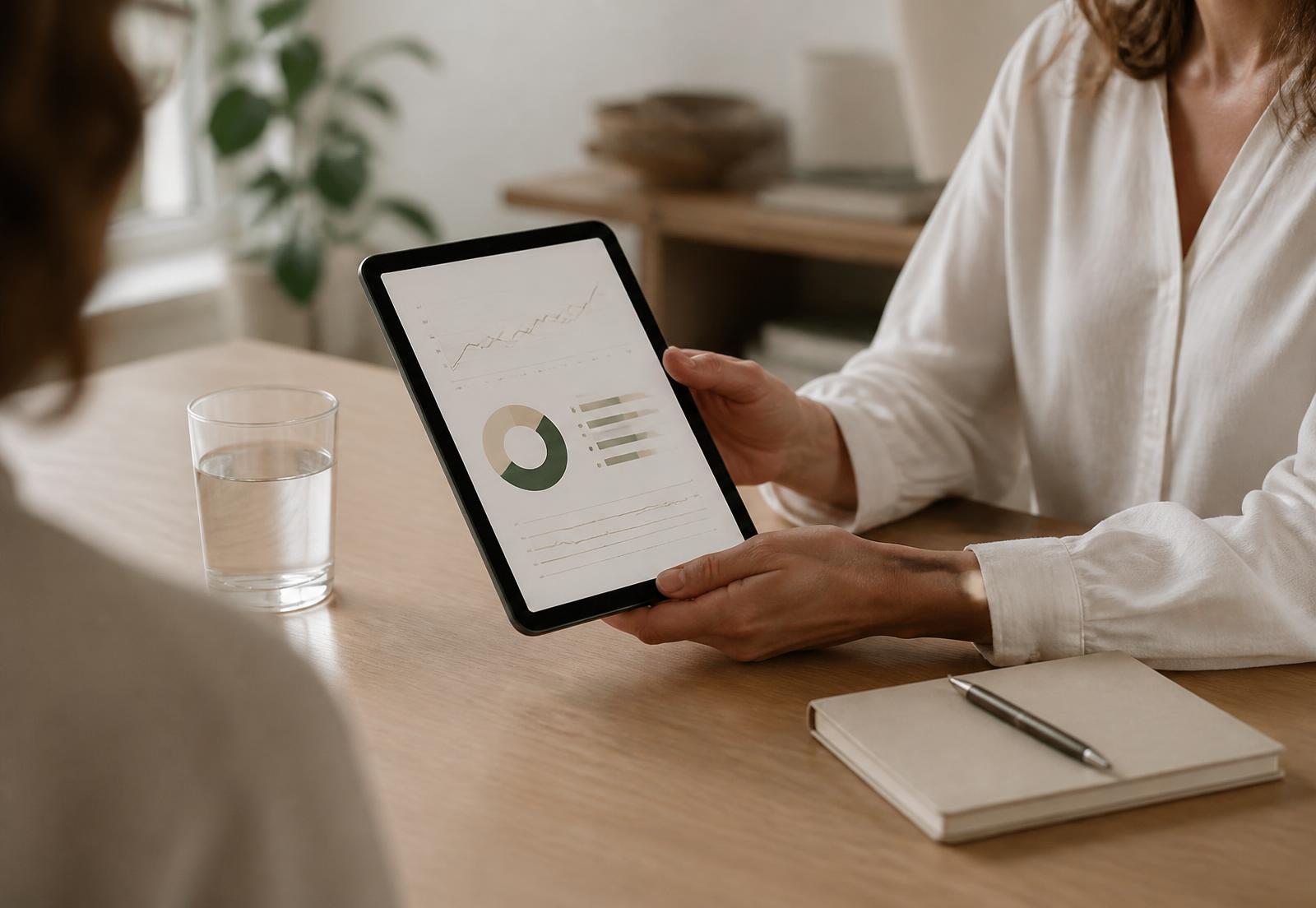
Assessment
A digital form before the session so the specialist knows your situation.
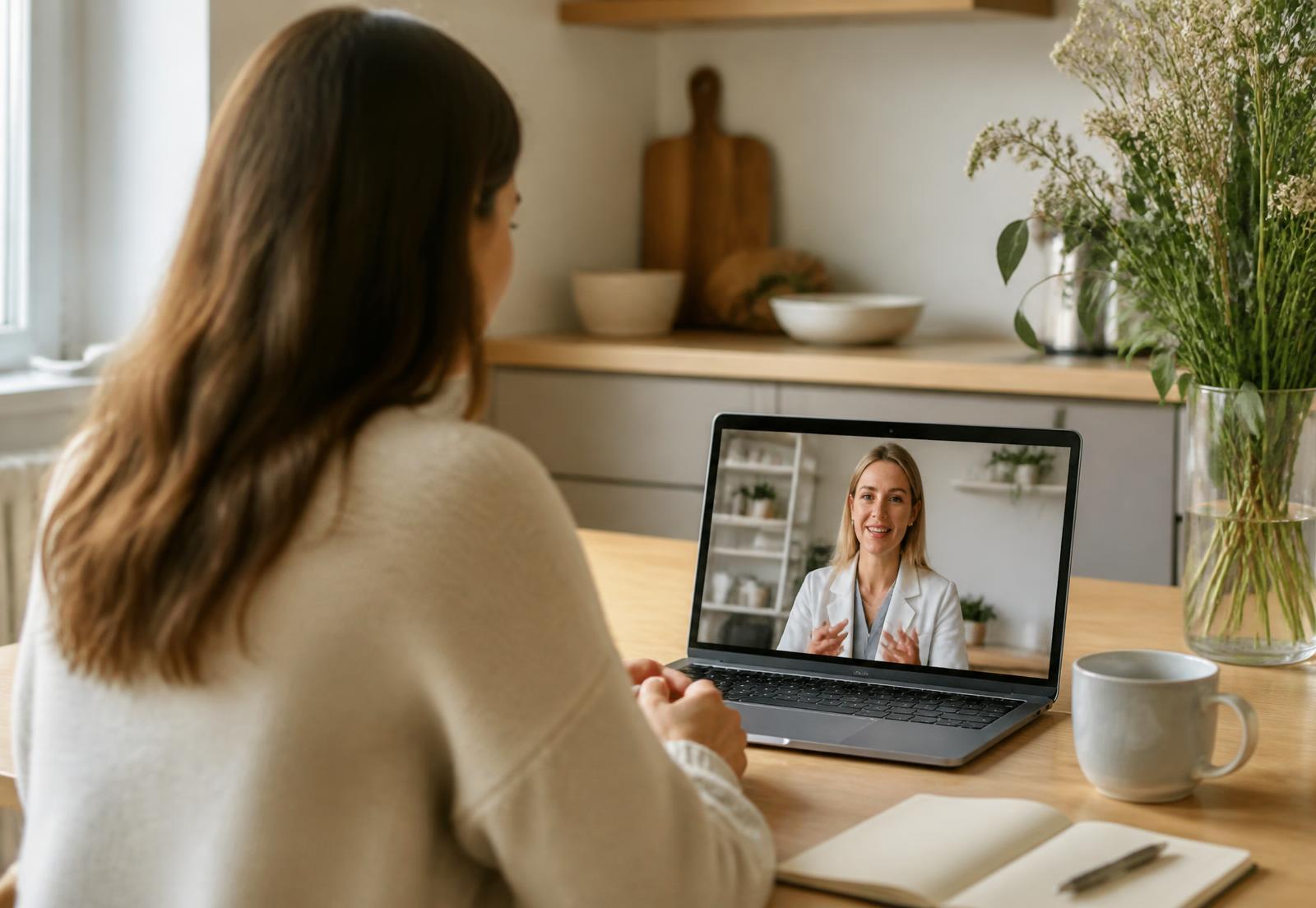
Kick-off conversation
60 minutes online or at a partner clinic.
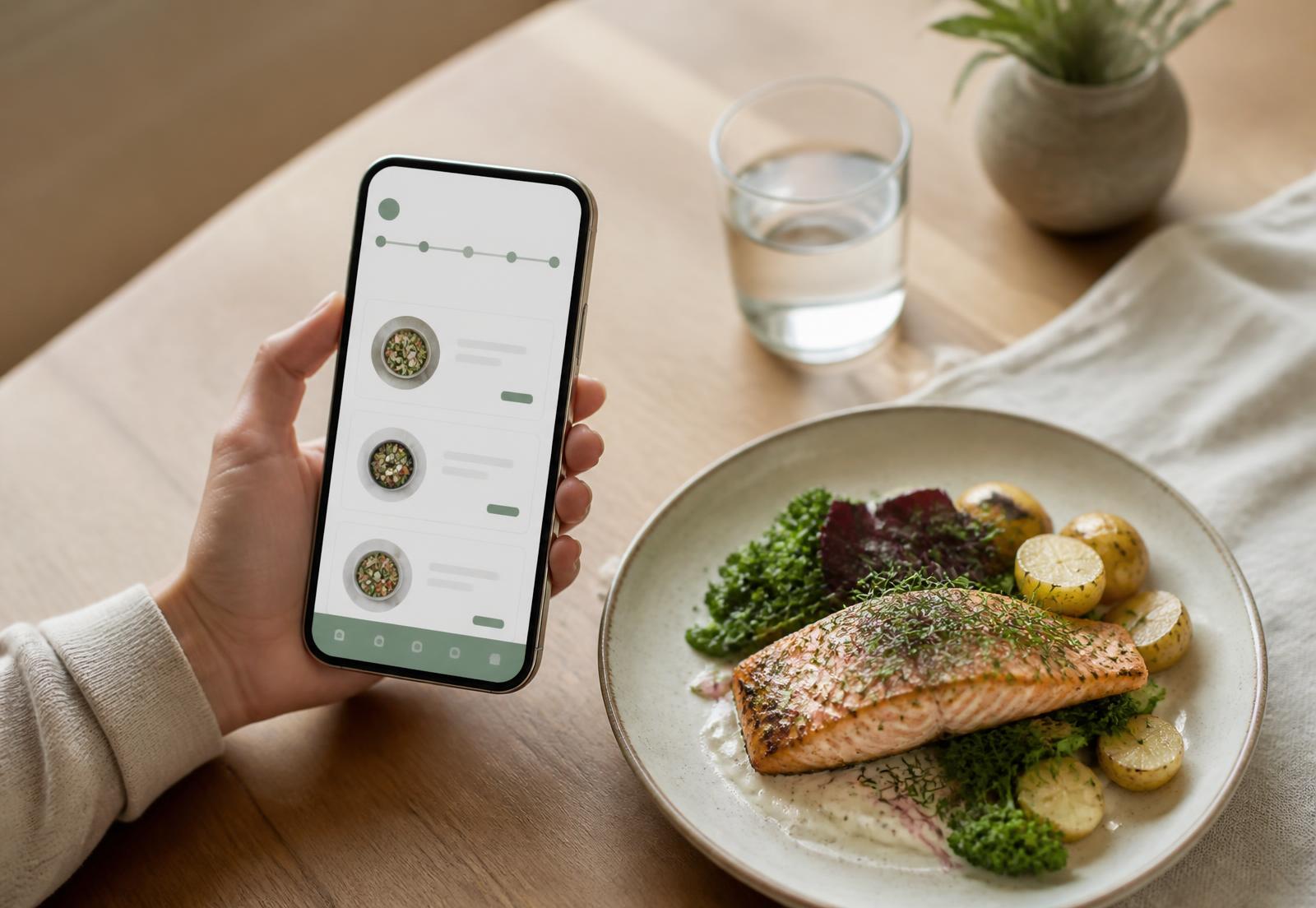
Personal plan
A concrete plan in SmartEating — food, structure and goals tailored to you.
Ready to get help with menopause?
We'll connect you with a licensed clinical dietitian who understands your situation.

Related topics