Reflux and heartburn
Heartburn and acid reflux can often be improved with simple changes to diet and meal timing. We help you identify what triggers your symptoms.
In short
What is reflux?
Reflux means stomach acid leaks up into the oesophagus, causing burning behind the breastbone, acid regurgitation and sometimes hoarseness or coughing. When symptoms occur often, it's called GORD (gastro-oesophageal reflux disease).
It's not dangerous for most people, but long-term untreated reflux should be monitored by a doctor. For most, adjustments to diet and meal timing provide good relief.
Glossary
- GORD/GERD
- Chronic reflux disease where stomach acid frequently leaks into the oesophagus.
- Heartburn
- Burning sensation behind the breastbone, often after meals or when lying down.
Does this sound familiar?
This might sound like your situation
If one or more of these sound familiar, personal follow-up can make the path forward clearer.
- You wake at night with acid regurgitation or coughing
- You avoid favourite foods for fear of heartburn
- You use antacids often without finding the cause
- Symptoms worsen when lying down or bending forward
- You're unsure which foods trigger your symptoms
SmartEating recommends
What makes the biggest difference?
For reflux, meal habits usually matter more than any single food.
Smaller, earlier meals
Large meals late in the evening increase pressure and night-time symptoms.
Staying upright after eating
Lying down soon after a meal makes it easier for acid to move upward.
Personal trigger foods
Fatty food, coffee, alcohol, chocolate and spicy food are common but individual triggers.
Weight and abdominal pressure
Reducing excess weight around the abdomen often eases symptoms.
Stress and sleep
Poor sleep and high stress can make reflux symptoms feel stronger.
When should you see a doctor?
Contact a doctor if you have:
- Difficulty swallowing or food getting stuck
- Unintentional weight loss or blood in vomit/stool
- Persistent symptoms despite medication
This advice does not replace medical assessment.
Common questions
What people ask us most often.
What can I eat with reflux?
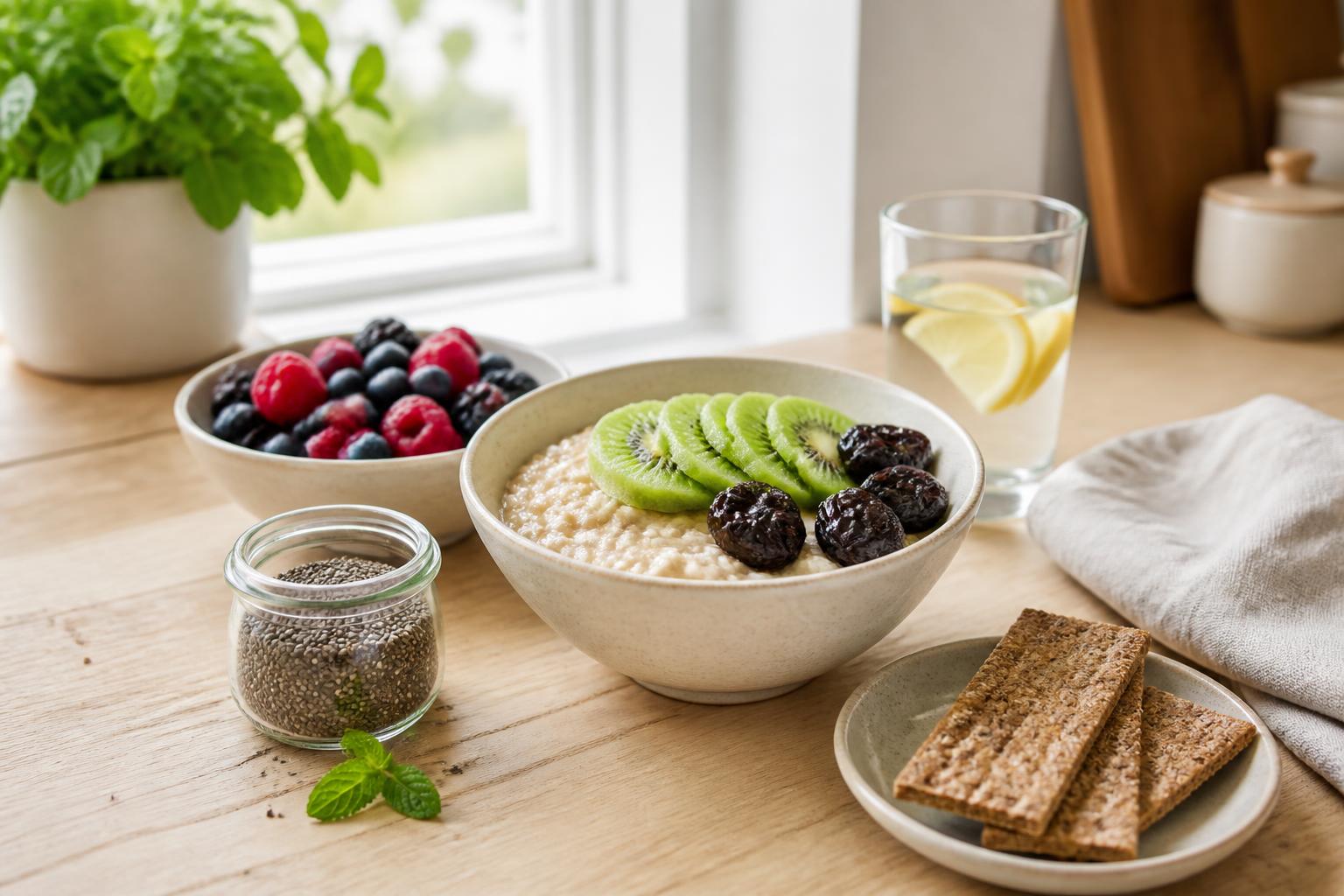
Most people tolerate light foods like porridge, lean meat and vegetables well. The most important thing is to find your personal triggers.
Why do I get heartburn at night?
When lying flat, stomach acid leaks more easily. Eat earlier and avoid large late meals.
Can I drink coffee?
Some tolerate coffee fine, others don't. Try reducing it and see if symptoms improve.
Do antacids help?
They relieve symptoms but don't solve the cause. With frequent use, talk to your doctor.
Is reflux dangerous?
Common reflux isn't dangerous, but long-term untreated GORD should be monitored.
Can weight loss help?
Yes, for many, weight reduction improves symptoms by reducing abdominal pressure.
Personal nutrition
No one with reflux and heartburn is exactly the same
What triggers reflux varies greatly from person to person. Some tolerate coffee fine, others don't.
SmartEating AI learns your patterns and provides suggestions tailored to your everyday life.
- You want to find your personal triggers
- You want to eat a varied diet without symptoms
- You want concrete meal timing tips
- You want to know when to see a doctor
Most people improve when meal timing, portion size and personal triggers are adjusted.
A clinical dietitian helps you map what triggers your symptoms — without cutting out more than necessary.
Reflux is best managed with individual mapping rather than unnecessary restrictions. We build on the Norwegian Directorate of Health's dietary guidelines.
READ MORE
The knowledge behind the advice
Fibre
Fibre comes from plants and plays a key role in digestion, blood sugar regulation and a healthy gut microbiome. Most people in Norway eat less fibre than recommended, and it is often one of the easiest places to start when improving your diet.
Vegetables
Vegetables are one of the most recommended food groups in any diet, known for their low energy content and high content of vitamins, minerals, fibre and plant compounds. A varied and generous intake of vegetables is one of the clearest recommendations in nutrition.
Oats
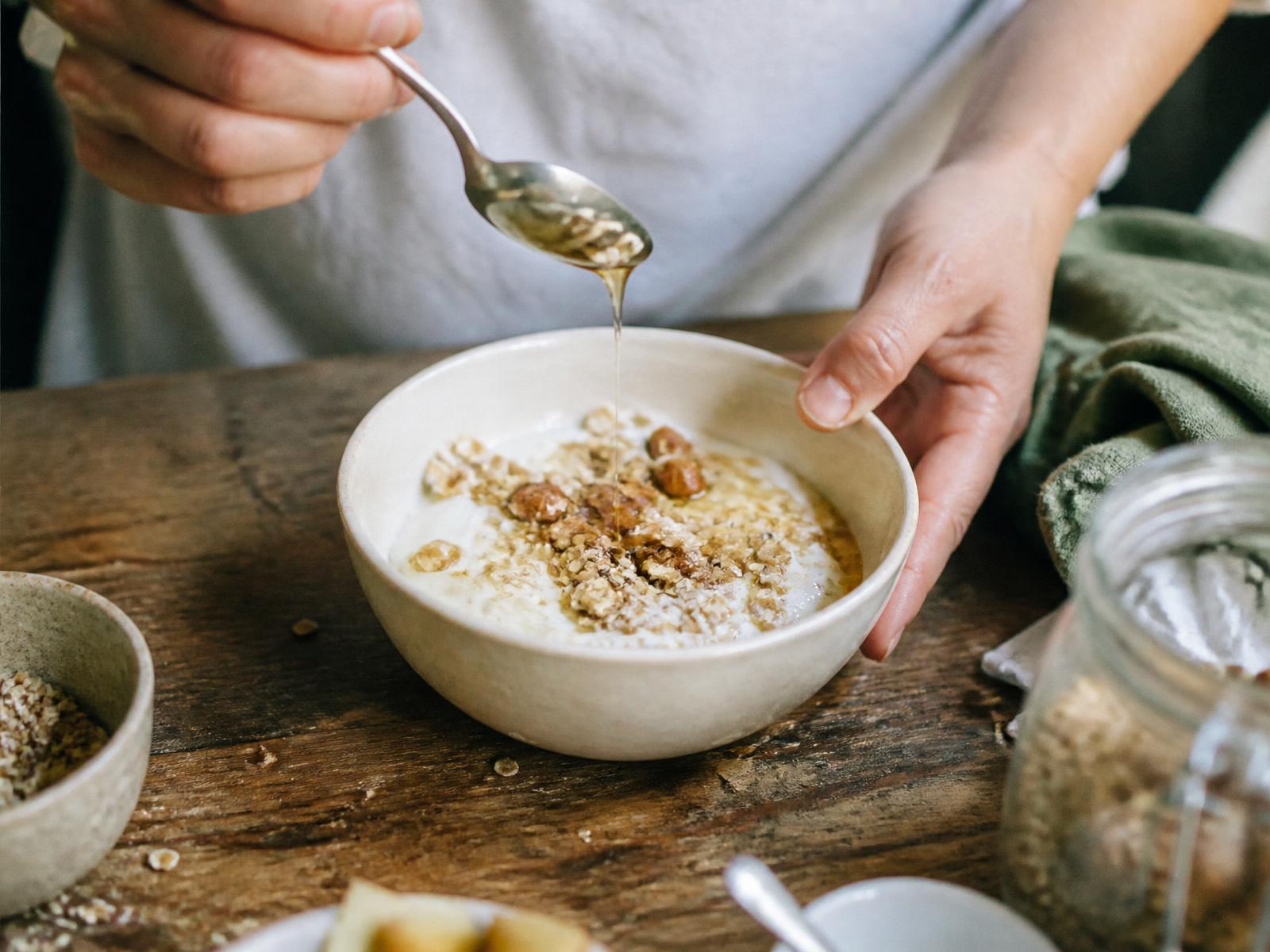
Oats are a wholegrain product that have long been a staple of Norwegian cooking, and are receiving increasing attention for their favourable nutritional profile. They are an affordable, versatile and filling source of fibre, carbohydrates, and several vitamins and minerals.

Assessment
A digital form before the session so the specialist knows your situation.

Kick-off conversation
60 minutes online or at a partner clinic.
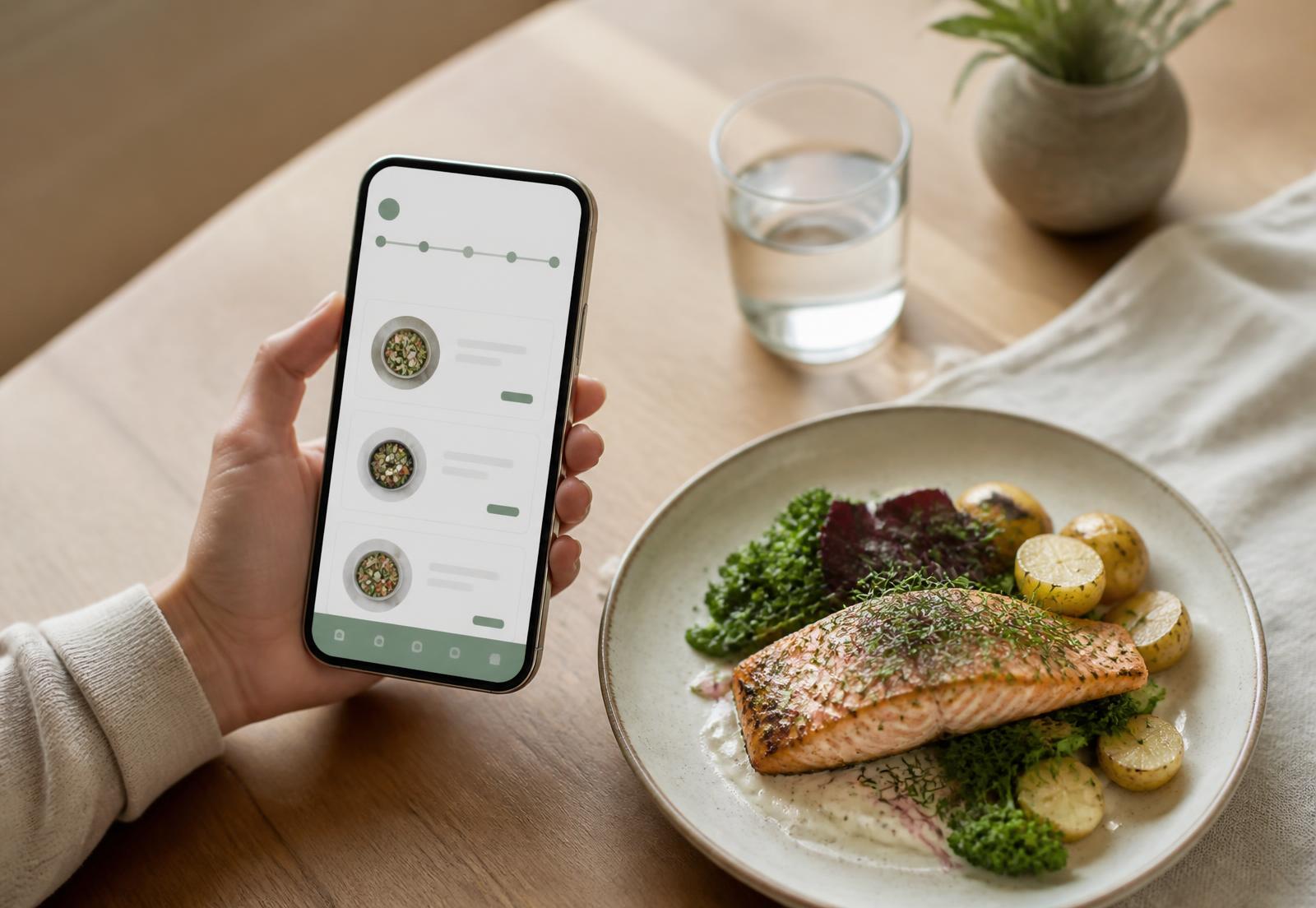
Personal plan
A concrete plan in SmartEating — food, structure and goals tailored to you.
Ready to get help with reflux and heartburn?
We'll connect you with a licensed clinical dietitian who understands your situation.

Related topics