Food and nutrients
The knowledge behind every recommendation: what nutrients do in the body, which foods provide what, and honest answers to what people actually wonder about.
Explore the knowledge
Protein, fibre, fat, iodine, fish, whole grains — food and nutrients explained.
Nutrients
Protein, fibre, fat and more — what your body needs, and why.

Protein
Protein is the building block of muscles, skin, enzymes and hormones, and one of the nutrients that gives the most satiety. Most people get enough protein through a varied diet, but needs can shift with age, activity level and life stage.
6 min read
Fibre
Fibre comes from plants and plays a key role in digestion, blood sugar regulation and a healthy gut microbiome. Most people in Norway eat less fibre than recommended, and it is often one of the easiest places to start when improving your diet.
6 min read

Carbohydrates
Carbohydrates are the body's main energy source and are found in everything from fruit and vegetables to bread, pasta and sugar. The quality of the carbohydrate source matters far more for health than the amount alone.
6 min read
Fat
Fat is a concentrated energy source and necessary for absorbing fat-soluble vitamins, cell membranes and hormone production. Not all fat is equal, and the type of fat you eat matters more for health than the total amount.
6 min read
Calories and energy
Calories measure the energy in food and drink, and energy balance is a fundamental principle of weight development. But counting calories alone says little about food quality, satiety or health effects.
5 min read

Sugar
Sugar is a natural part of many foods, but a high intake of added sugar is associated with increased risk of several health problems. Understanding the difference between natural and added sugar makes it easier to make informed choices.
5 min read

Salt
Salt, or sodium chloride, is necessary for the body's fluid balance and nerve function, but most people in Norway eat significantly more salt than recommended. A high salt intake over time is associated with elevated blood pressure.
5 min read

Vitamins and minerals
Vitamins and minerals are micronutrients the body needs in small amounts, but they are essential for nearly all bodily functions. A varied diet with plenty of vegetables, fruit, whole grains and good protein sources usually covers the need without supplements.
7 min read

Iodine
Iodine is a mineral the body needs to make thyroid hormones, which govern metabolism and are essential for brain development in the foetus and young children. In Norway, iodine is one of the nutrients where both too little and too much can cause problems — and where your diet matters a great deal.
6 min read
Foods
Eggs, fish, oats and legumes — the foods we recommend, explained.

Eggs
Eggs are one of the most nutrient-dense foods available to us, and a natural staple in a varied diet. They combine high-quality protein with a broad range of vitamins and minerals in a small, affordable and versatile package.
5 min read

Fish and Seafood
Fish and other seafood are key sources of high-quality protein and the polyunsaturated omega-3 fatty acids EPA and DHA. Regular fish intake is one of the most well-documented recommendations in Norwegian and international dietary guidance.
6 min read

Oats
Oats are a wholegrain product that have long been a staple of Norwegian cooking, and are receiving increasing attention for their favourable nutritional profile. They are an affordable, versatile and filling source of fibre, carbohydrates, and several vitamins and minerals.
5 min read
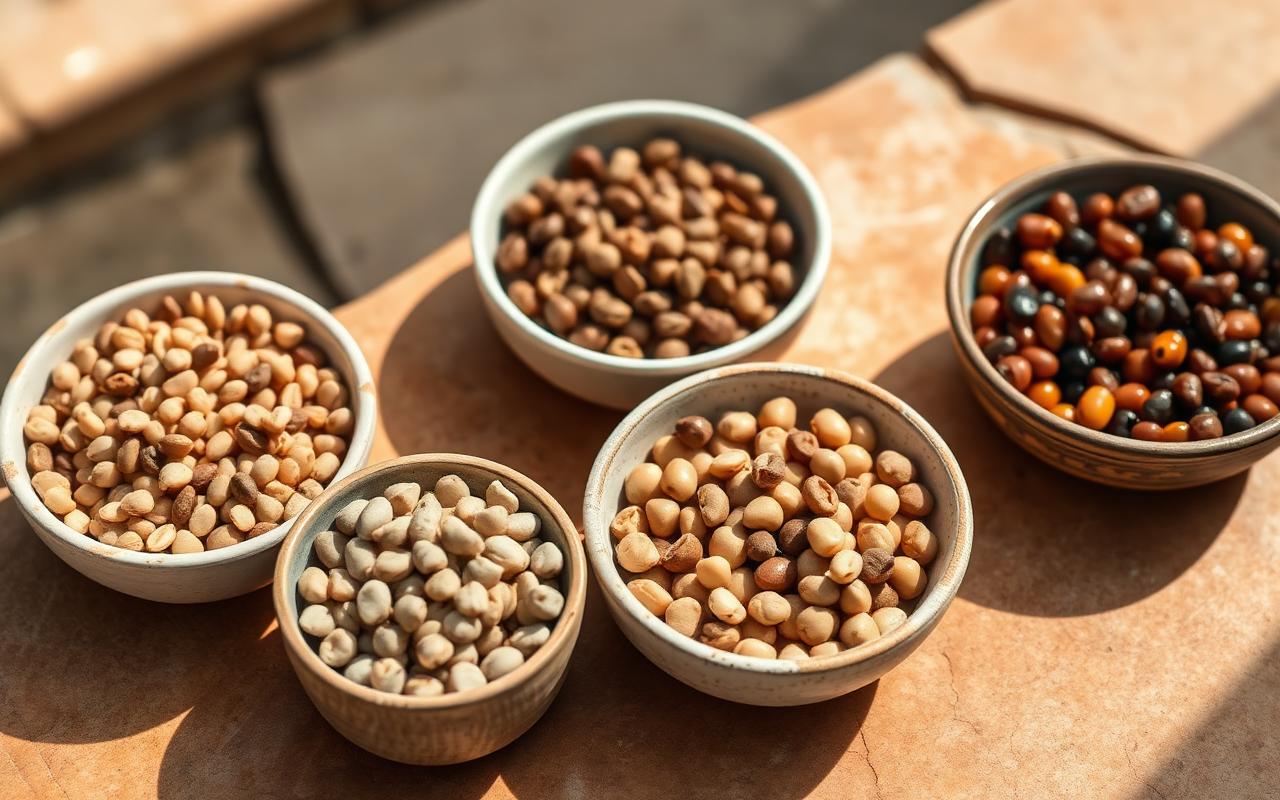
Legumes
Legumes such as beans, lentils and chickpeas are among the most nutrient-dense and sustainable foods available. They combine plant-based protein with abundant fibre, and are a valuable food group whether you eat a lot of meat or very little.
5 min read

Wholegrains
Wholegrains are grain products in which the entire kernel — bran, germ and endosperm — is preserved, unlike refined grain products where the most nutrient-rich parts are removed. Wholegrains are among the food groups with the clearest documented link to good health.
5 min read

Fruit
Fruit is a natural source of vitamins, minerals, fibre and plant compounds, and one of the food groups every dietary guideline recommends eating more of. With its natural sweetness and great variety, fruit is also one of the easiest ways to make a diet more nutritious.
5 min read

Vegetables
Vegetables are one of the most recommended food groups in any diet, known for their low energy content and high content of vitamins, minerals, fibre and plant compounds. A varied and generous intake of vegetables is one of the clearest recommendations in nutrition.
6 min read
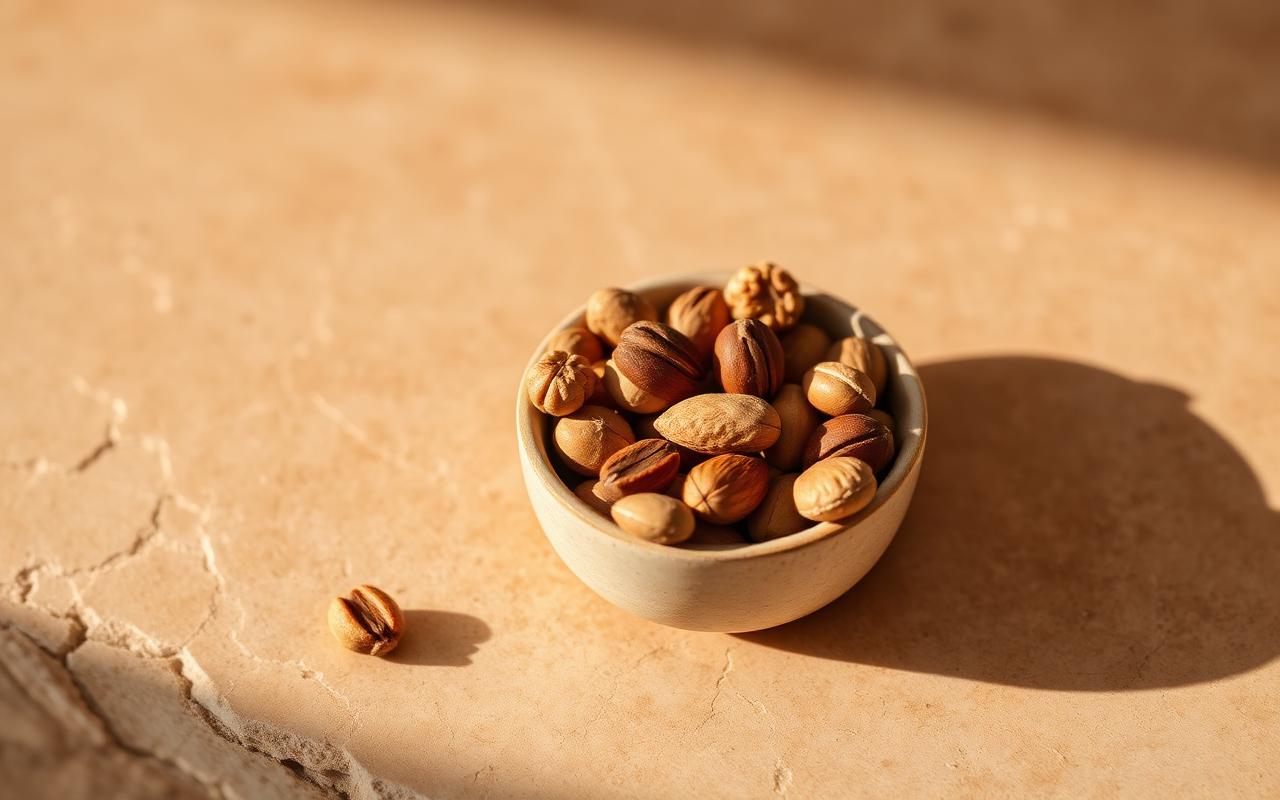
Nuts
Nuts are energy-dense yet highly nutritious, providing a good combination of healthy fats, protein, fibre and minerals. Despite their high fat content, nuts are associated with favourable health effects when eaten as part of a varied diet.
5 min read

Dairy Products
Dairy products such as milk, yoghurt and cheese have traditionally been an important part of the Norwegian diet, and are among the best sources of calcium and high-quality protein. At the same time, there is significant variation within the group, making it useful to understand the differences.
6 min read
Common questions
Short, honest answers to what people actually wonder about food and health.

How much protein do I need?
Most adults need roughly 1.2–1.6 grams of protein per kilogram of body weight per day, depending on age, activity level and goals. If you are older or do a lot of strength training, your needs are likely at the higher end of that range.
4 min read

Are carbohydrates unhealthy?
No, carbohydrates are not inherently unhealthy — what matters is the type and amount you eat. Whole grains, vegetables, fruit and legumes are linked to good health, while a high intake of sugar and refined grain products should be limited.
4 min read

Is coffee healthy?
For most adults, moderate coffee drinking, up to about 3–4 cups a day, can fit into a healthy diet and is in some studies linked to a lower risk of certain diseases. The effect varies between individuals, and too much coffee can cause jitteriness, sleep problems and a racing heart.
4 min read

What is ultra-processed food?
Ultra-processed food is industrially manufactured products made with ingredients and additives you'd rarely find in a home kitchen, such as emulsifiers, flavour enhancers and industrial fats. Examples include ready meals, soft drinks, sweets and some breakfast cereals.
5 min read
How much salt is too much?
Health authorities recommend a maximum of 6 grams of salt per day for adults, but most people eat considerably more than this, mainly from processed food. A high salt intake over time is linked to an increased risk of high blood pressure.
4 min read
Is sugar dangerous?
Sugar in moderate amounts is not dangerous for most healthy people, but a high and sustained intake of added sugar is linked to increased risk of overweight, tooth decay and metabolic disease. What matters most is the total amount over time, not sugar in individual meals.
4 min read

What does glycaemic index mean?
Glycaemic index (GI) is a measure of how quickly a food raises blood sugar compared with pure glucose. Foods with a low GI produce a steadier rise in blood sugar, while foods with a high GI cause a faster, sharper rise.
4 min read
No two people are alike.
That is why we do not start with a diet – we start by getting to know you. SmartEating adapts advice and meals to your body, goals and daily life, so healthy choices become easier to live with over time.